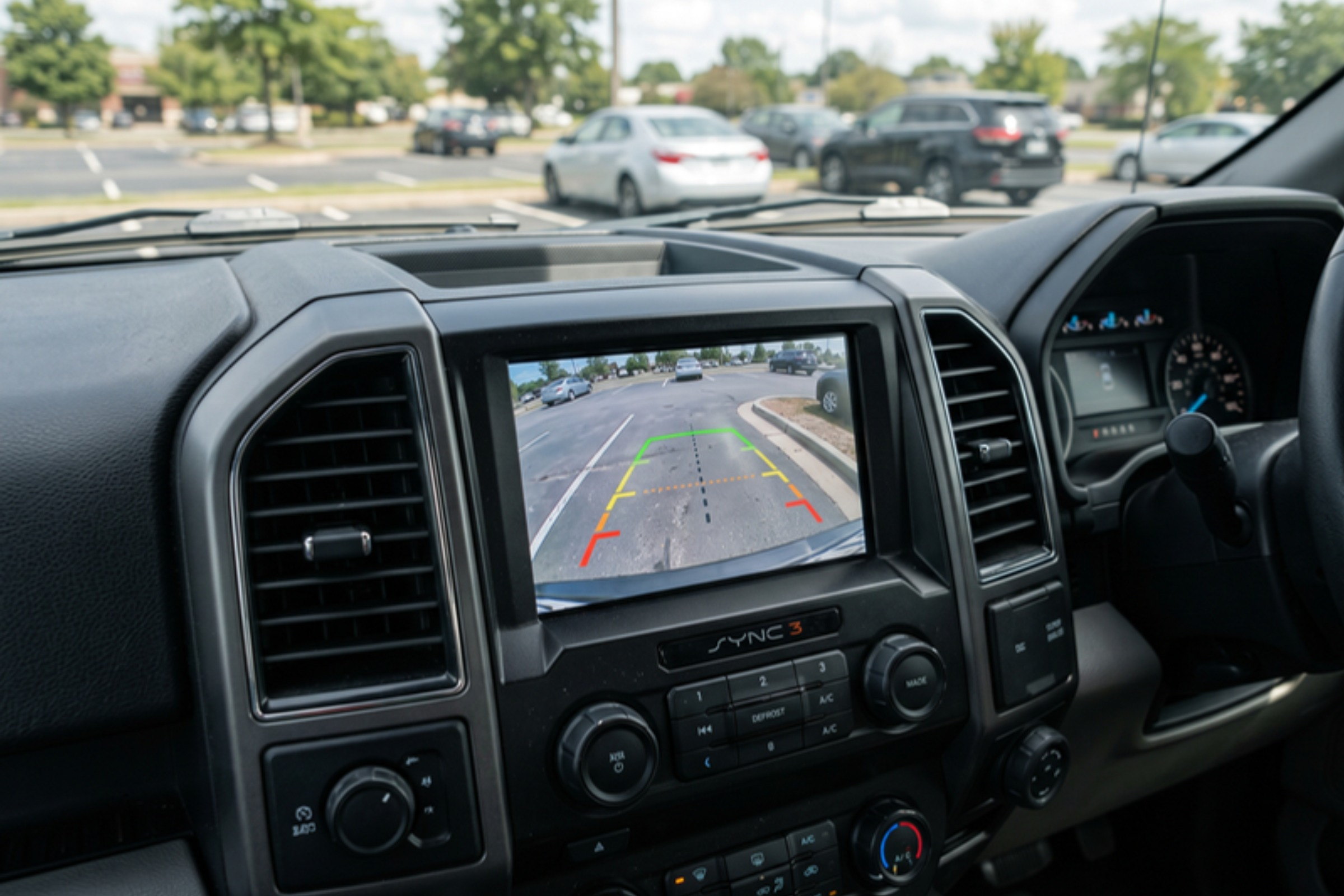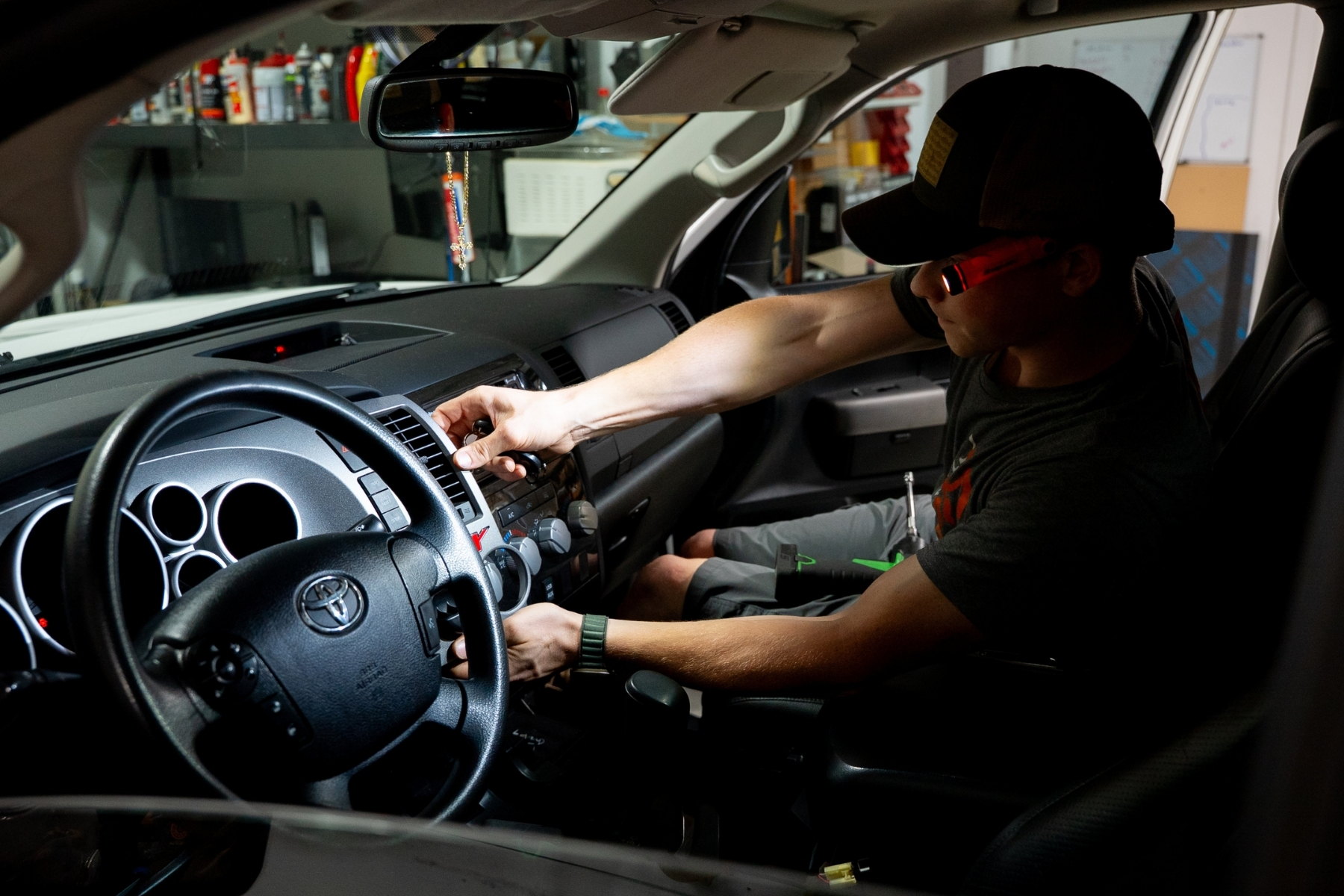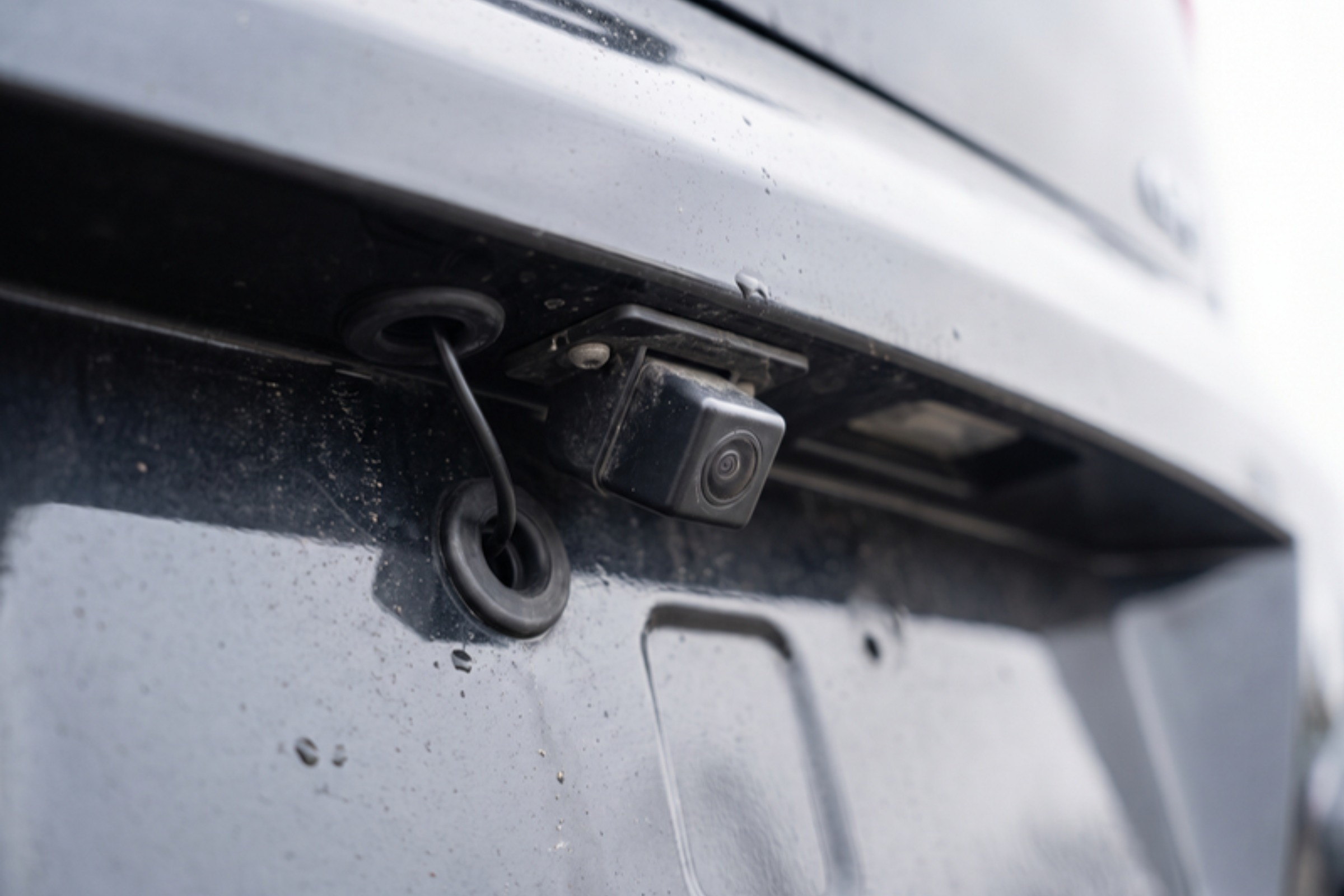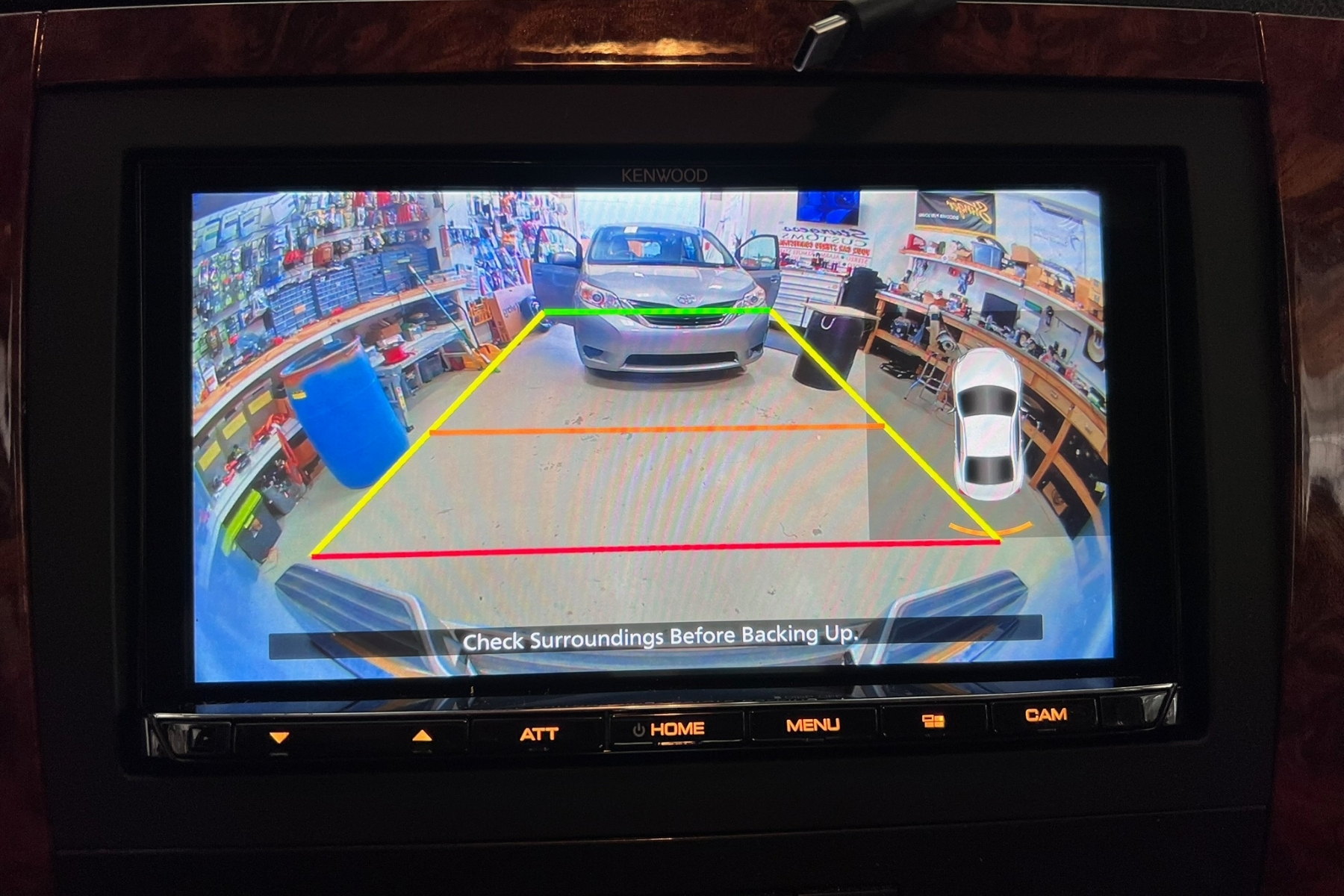
Backup cameras, dash cams, parking sensors, and blind-spot systems are practical assistance — they give the driver more information about what’s around the vehicle so the driver can make better decisions. They are not a replacement for paying attention, and we don’t market them that way. What they do, when installed correctly, is fill in the blind spots that every vehicle has and make routine driving (parking lots, tight driveways, lane changes on the interstate) a little easier and a little more confident. Our backup camera installation in Lexington, SC covers all four safety-system categories, with factory display integration wherever the vehicle supports it and clean aftermarket monitor integration when it doesn’t.
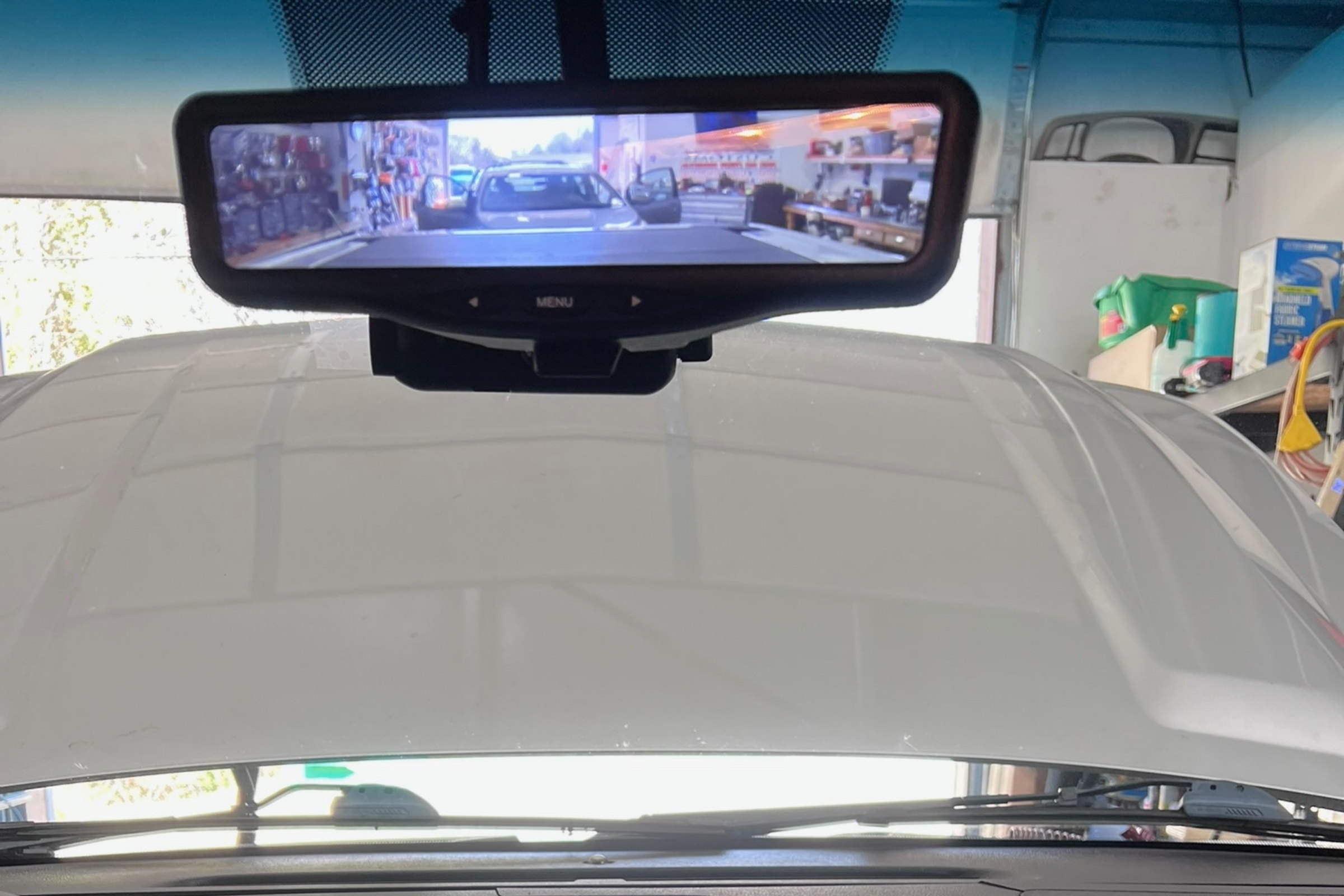
A good backup camera does one job well: it shows you what is behind the vehicle clearly enough that you can park in a tight space, hitch a trailer alone, or back out of a driveway without guessing. The right choice depends on your vehicle — older vehicles without factory cameras can be retrofit with a camera that displays through the factory infotainment screen on many models, or through a clean aftermarket monitor when the factory display isn’t compatible. Wireless options exist but rarely match the image stability of a wired install, so we recommend wired wherever the vehicle’s body allows clean cable routing.
Image quality is what separates a useful system from a frustrating one. Resolution matters, but so does low-light performance, weather tolerance, and where the camera is mounted (license-plate frame, tailgate handle, or a custom recess on vehicles where the factory location doesn’t exist). For owners pairing a backup camera with a head-unit upgrade that brings CarPlay or Android Auto to the dashboard, the factory-display integration discipline carries across both installs cleanly.
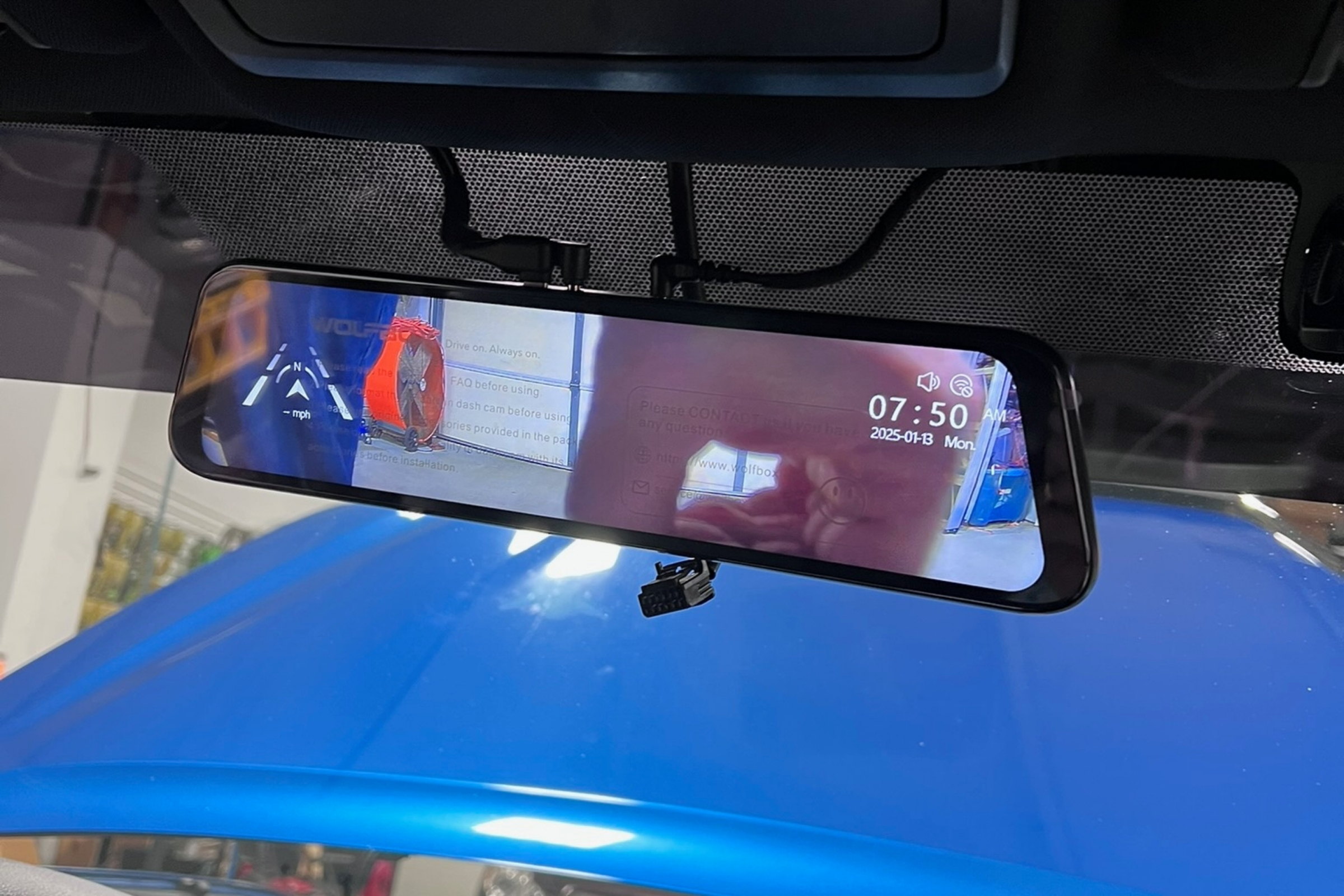
A dash cam is a record-keeper. If something happens on the road — a fender-bender at a four-way stop, an aggressive driver, a parking-lot incident while you’re inside the store — the dash cam gives you a clear, time-stamped record of what actually occurred. That is the whole purpose. We install them as incident-documentation tools, not as surveillance devices, not as fleet trackers, and not as ways to monitor anyone else.
Dash cam options range from single-channel front-facing systems to dual-channel front-and-rear setups, with optional parking-mode monitoring that records when the vehicle is parked and triggered by motion or impact. Resolution, storage capacity, and GPS-logging features vary across price tiers. We hardwire to the vehicle’s electrical system whenever possible — a hardwired install runs cleaner than a cigarette-lighter cable hanging from the dashboard, and parking-mode monitoring only works on a hardwired install.
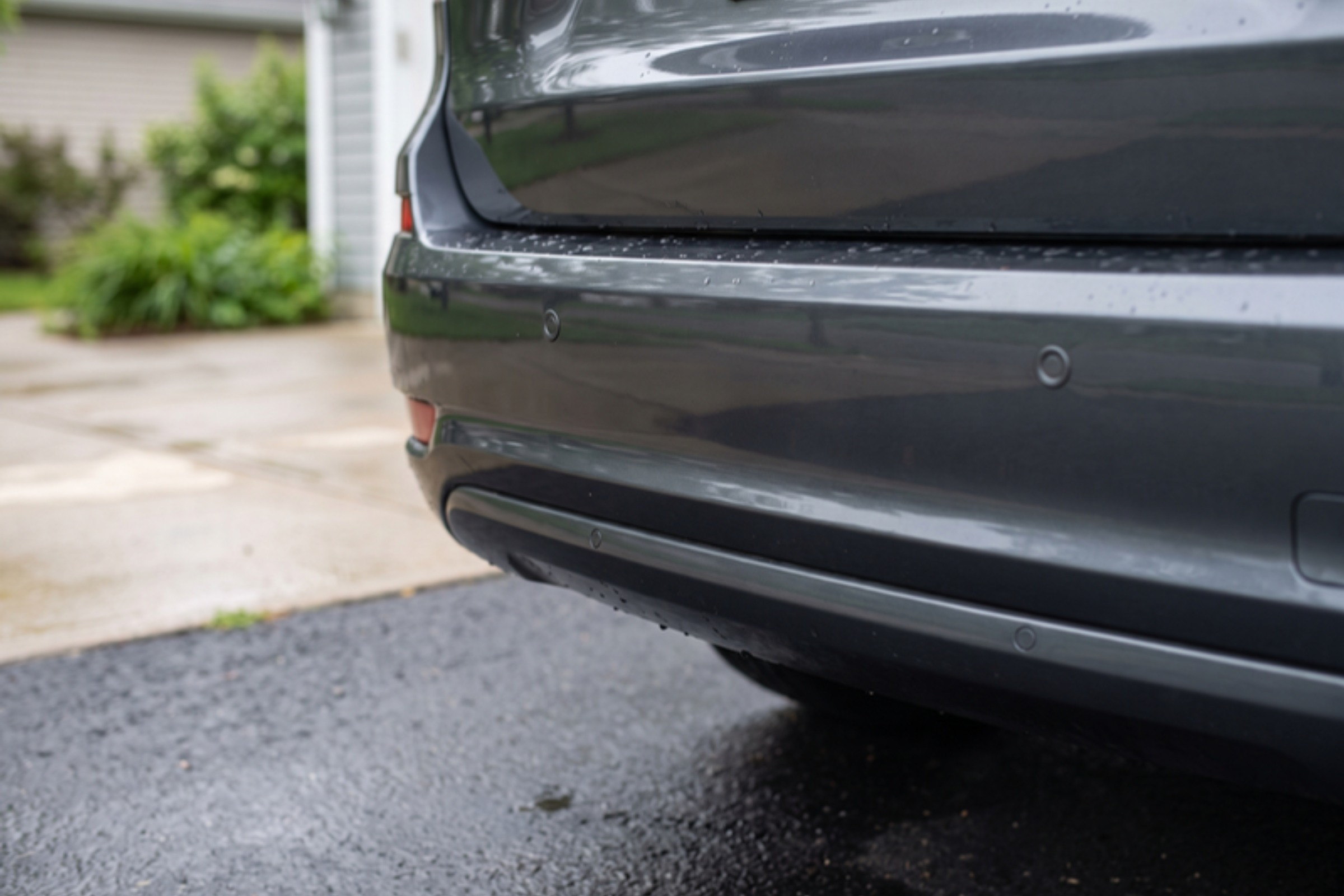
Parking sensors are a useful supplement to the eyes and the backup camera — they fill in the last few feet at low speed when you’re squeezing into a tight parking space or backing toward an obstacle that the camera angle doesn’t show. They are an assistance layer, not a collision-prevention emergency system, and we set expectations accordingly. The most useful systems combine rear sensors with front sensors on vehicles whose front bumper sits close to obstacles in routine parking; 360-degree systems are available on vehicles whose factory dashboard supports the additional inputs.
Installation quality is the difference between a sensor system that works and a sensor system that beeps at every leaf in the wind. Sensors should sit flush with the bumper or recessed in factory-style mounts so they look native to the vehicle, and calibration needs to match the vehicle’s geometry so the alerts trigger on real obstacles rather than ambient noise. We integrate parking sensor alerts with the factory backup camera display when the vehicle supports it, so you read one screen rather than splitting attention.
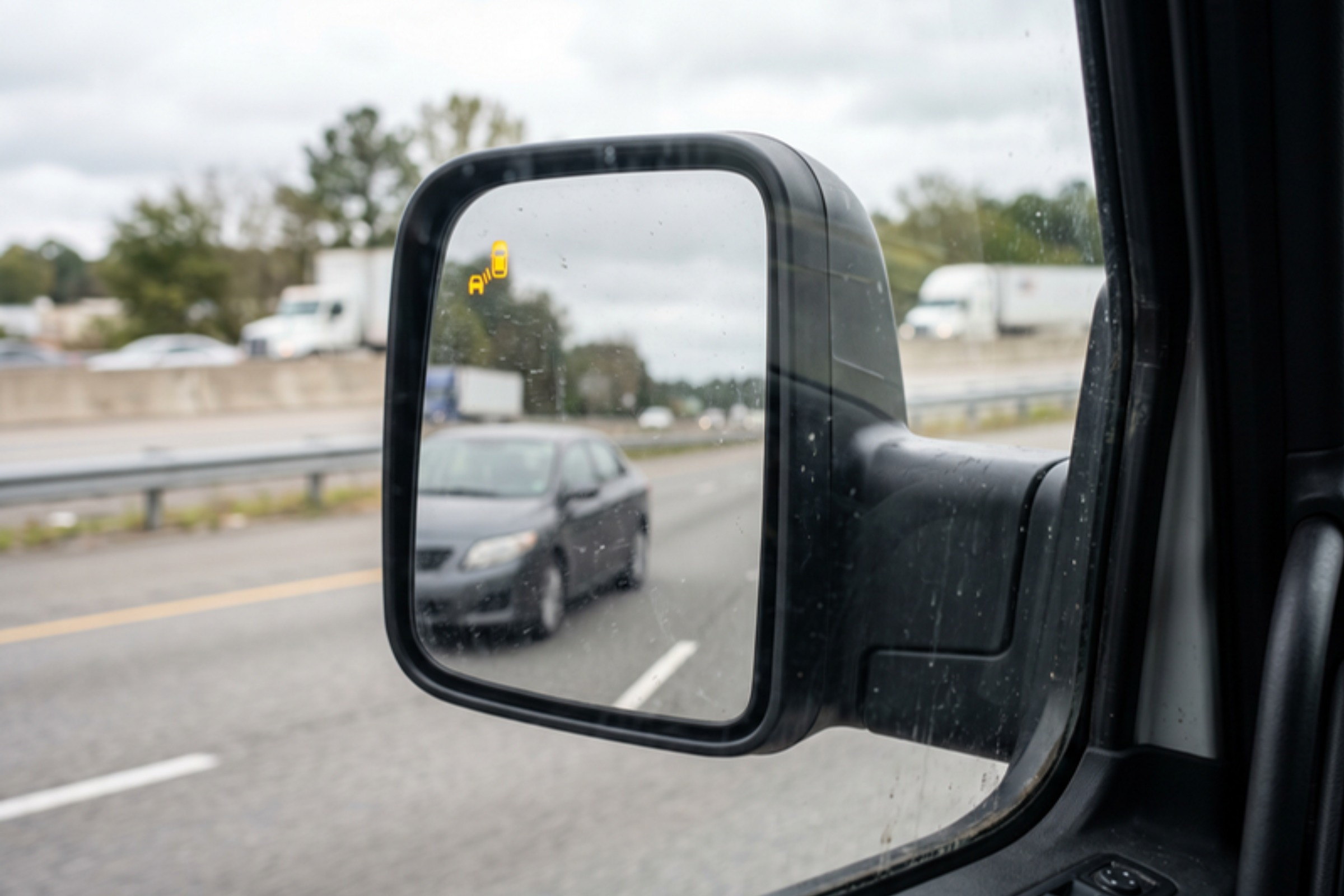
Blind-spot systems alert you to vehicles or obstacles in the areas your mirrors don’t cover well — typically the rear quarter on either side. Radar-based systems are the most common modern approach; camera-based systems are an option on vehicles where radar placement is impractical. Both display alerts through an indicator light in the side mirror (or both mirrors), with optional audible alerts during a turn-signal request that conflicts with a detected vehicle in the adjacent lane.
The blind-spot need is most pronounced on longer or taller vehicles where the rear quarter is genuinely hard to see — long-bed trucks, full-size SUVs, and the kind of large recreational vehicles where the side mirrors only show so much. For RV owners and other large-vehicle drivers whose safety needs scale with vehicle size, a properly installed blind-spot system is one of the most-used upgrades on the list. We retrofit factory blind-spot systems on vehicles where the trim package supports it, and install aftermarket systems with clean side-mirror indicator integration where it doesn’t.
Whenever the vehicle’s factory display supports it, the backup camera image, parking-sensor alerts, and (on some platforms) blind-spot indicators belong on the factory screen — not on a second aftermarket monitor stuck to the dashboard. Factory display integration keeps the cabin reading like the cabin the manufacturer designed, preserves the resale value of a clean interior, and gives the driver one screen to scan rather than two. The work involves the right interface module for the vehicle’s specific dashboard generation, factory-correct wiring into the existing display’s video input, and clean integration with any existing factory camera or sensor systems on the vehicle. For vehicles that pair a head-unit upgrade with safety system integration as part of a full-dashboard refresh, the head-unit selection and the safety-system selection are coordinated so the final dashboard reads as one designed system rather than three separate aftermarket additions.
Cameras and sensors that look great in a controlled bench test sometimes underperform in the conditions you actually drive in — low light at dusk, glare on a sunny afternoon, rain on the camera lens, temperature swings across seasons. Image quality at low light is one of the most common gaps between a system’s spec sheet and its real-world behavior, and it is one of the most important factors for a backup camera that gets used the moment the sun goes down. We select cameras with low-light performance that holds up in driveway and parking-lot conditions, and we install with sensor placement that gives the system the best chance to perform across the conditions you’ll actually meet. Real-condition evaluation is a part of how we verify the system before handing the keys back.
A safety system is only useful if it works consistently across the years you own the vehicle. Sensor calibration drifts when sensors are mounted poorly; camera image quality fades when connectors corrode or wiring routes through environments that punish the cable; blind-spot indicators stop working when the side-mirror harness wasn’t sealed properly during install. We install components from manufacturers whose hardware ages well, mount them in locations protected from the worst environmental exposure, route wiring cleanly so connections stay tight, and seal mounting points so moisture doesn’t shorten the system’s working life. If service ever is needed, the install discipline makes diagnosis straightforward rather than a teardown.
The brands and platforms we install — and the way we install them — matter more than any single badge on the wall.
A look at recent backup camera, dash cam, parking sensor, and blind-spot system installs across the daily-driver vehicles we work on most — trucks, SUVs, family vehicles, and RVs.
On most modern vehicles, yes — the right interface module brings aftermarket cameras and sensors onto the factory screen so you don’t need a second monitor on the dashboard. Compatibility depends on the vehicle’s specific year, trim, and infotainment generation. We confirm compatibility before scheduling so the answer is clear up front rather than discovered on install day. On vehicles where factory display integration isn’t available, a clean aftermarket monitor in a factory-correct location is the alternative path.
Cameras vary widely on this point, and it’s worth choosing carefully. We select cameras whose low-light performance holds up at dusk and at night under typical driveway and parking-lot lighting, and whose weather tolerance handles real conditions rather than just spec-sheet ratings. Mounting placement matters as much as the camera itself — a camera positioned where rain runs off cleanly and where the lens stays clear of road spray will outperform a higher-resolution camera installed in a location that constantly fouls the lens.
Single-channel dash cams record forward only. Dual-channel systems add a rear-facing camera that records traffic behind the vehicle (useful for documenting rear-end incidents). Parking-mode dash cams continue recording when the vehicle is parked and the ignition is off, triggered by motion or impact — useful in parking lots, less useful in a garage. Storage capacity and resolution vary; GPS-logging features add a time-and-location stamp to recordings. We walk through which features matter for how you actually use your vehicle.
Honestly: they are assistance layers, not absolute systems. A well-installed parking sensor system reliably alerts you to obstacles in the last few feet at low speed; a well-installed blind-spot system reliably flags vehicles in the rear quarter zones your mirrors don’t cover. Neither is a replacement for looking over your shoulder, checking your mirrors, or paying attention. What they do well — what they’re for — is filling the gaps that every vehicle has so a driver who is already paying attention has better information to work with.
A clean install that uses the factory display input on the vehicle’s terms, runs sensor and camera wiring through factory routing paths, and does not splice into circuits it shouldn’t does not give a dealer grounds to deny warranty service. The risk comes from amateur installs that create parasitic draws, trigger dashboard warning lights, or run cabling through locations that interfere with airbag or harness systems. Factory-electronics integration is the baseline standard for exactly that reason.
We stand behind the work we do. Specific warranty terms vary by system and component, so we walk through what is covered and for how long at consultation rather than posting fine print that may not match your specific install. The short version: if something we installed is not working the way it should, we want to know about it.
Request a consultation online or give us a call. We’ll walk through your vehicle, your daily routine, and the systems that make the most practical difference — and integrate them cleanly into your factory display wherever the vehicle supports it.