Remote start and car security are two of the most useful upgrades a daily driver can have — and two of the most common to be installed poorly. A remote start that fits the factory wiring, an alarm that arms quietly without false-triggering on a windy night, a keyless-entry fob that feels native to the vehicle: these aren’t gadgets bolted on top of your car. They’re integrations that should read as if the manufacturer built them in. Our remote start installation in Lexington, SC covers both domains — daily-driver convenience on the cold mornings you actually need it, and steady protection year-round — through factory-electronics integration that protects your warranty, your wiring, and your wallet down the road.
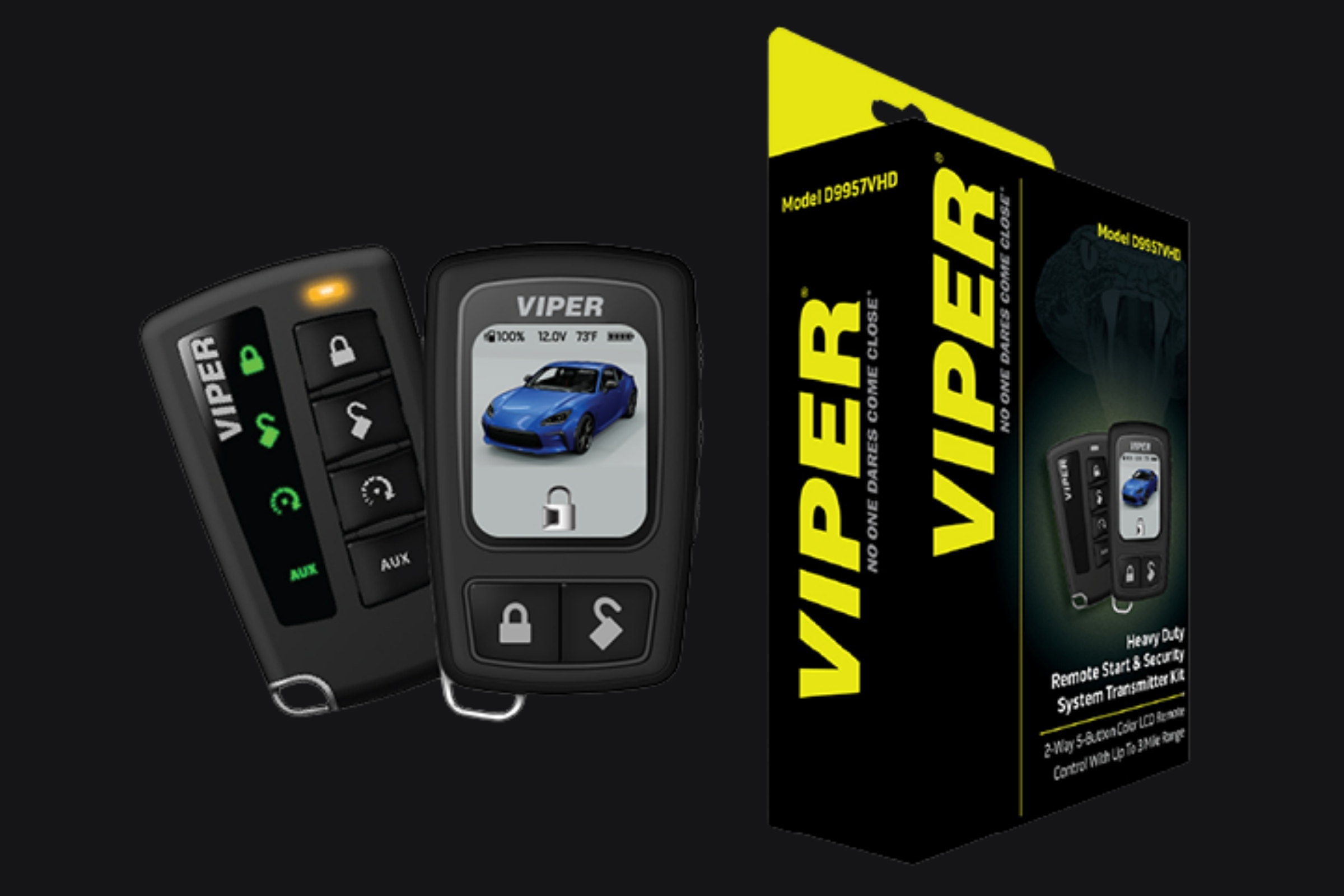
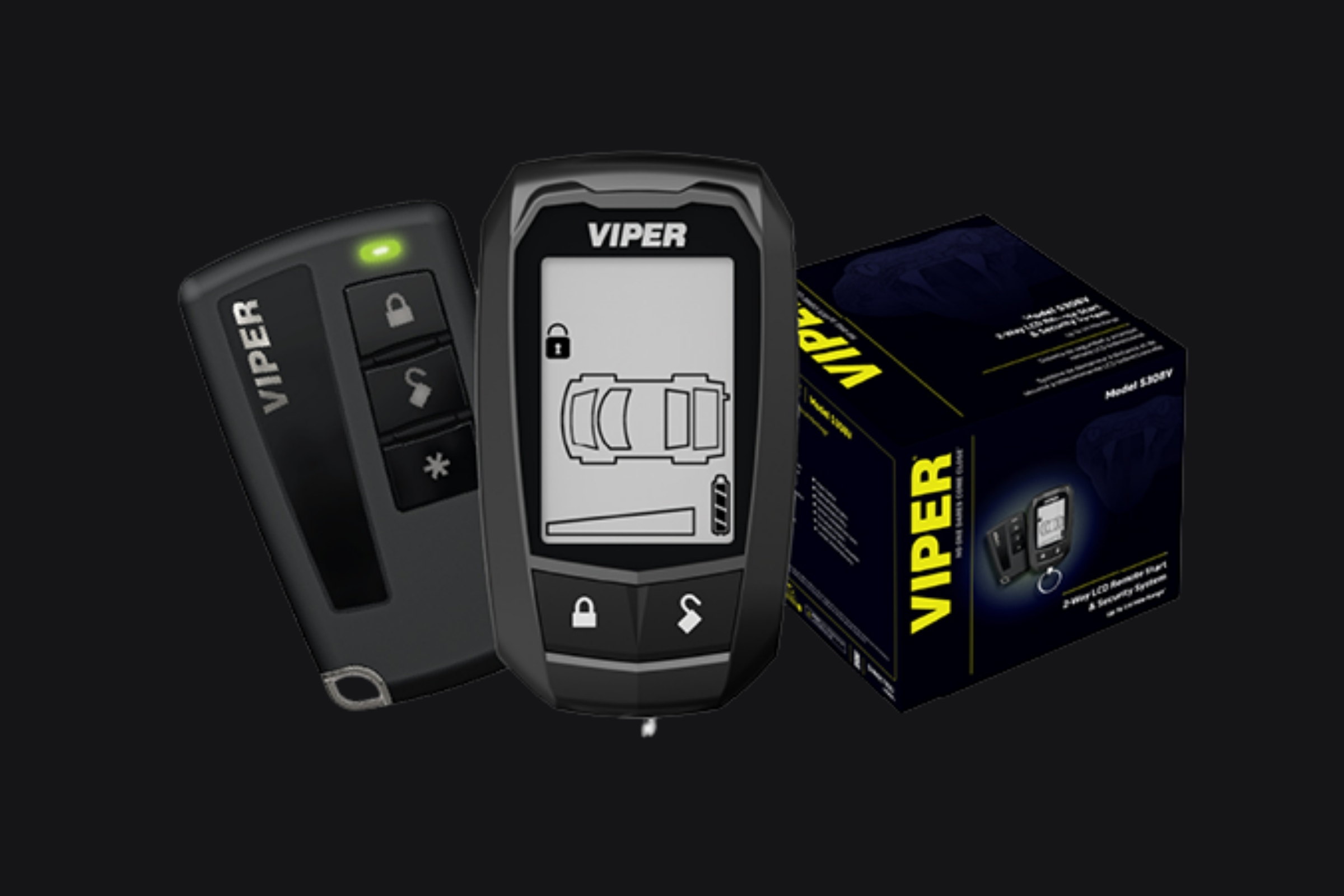
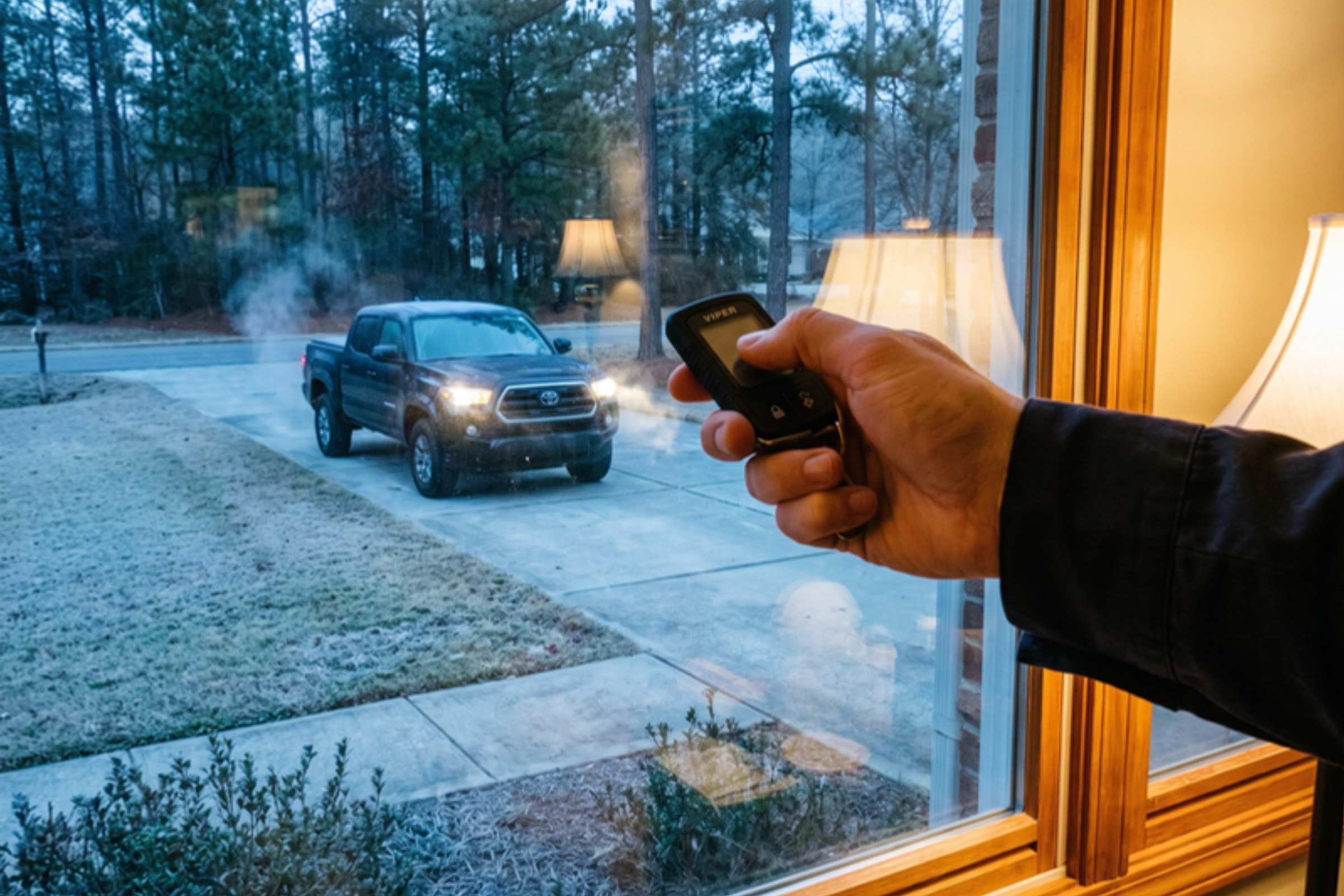
Remote start systems are tiered for a reason — most owners do not need the most expensive option, and a few clearly do. Entry-tier systems give you the core capability: press the button, the car starts. Mid-tier two-way systems add a confirmation signal back to the fob so you know the vehicle actually fired before you walk out the door. Premium-tier systems extend control to your smartphone, layer in security functions, and integrate more deeply with the factory immobilizer and CAN-bus systems on newer vehicles.
We carry Viper and Directed Electronics across these tiers because the platform is reliable, the modules age well, and the per-tier feature set is honest — what is advertised is what the system actually does in your driveway. We will recommend the tier that fits your vehicle, your daily routine, and your budget rather than upselling to features you will never touch.
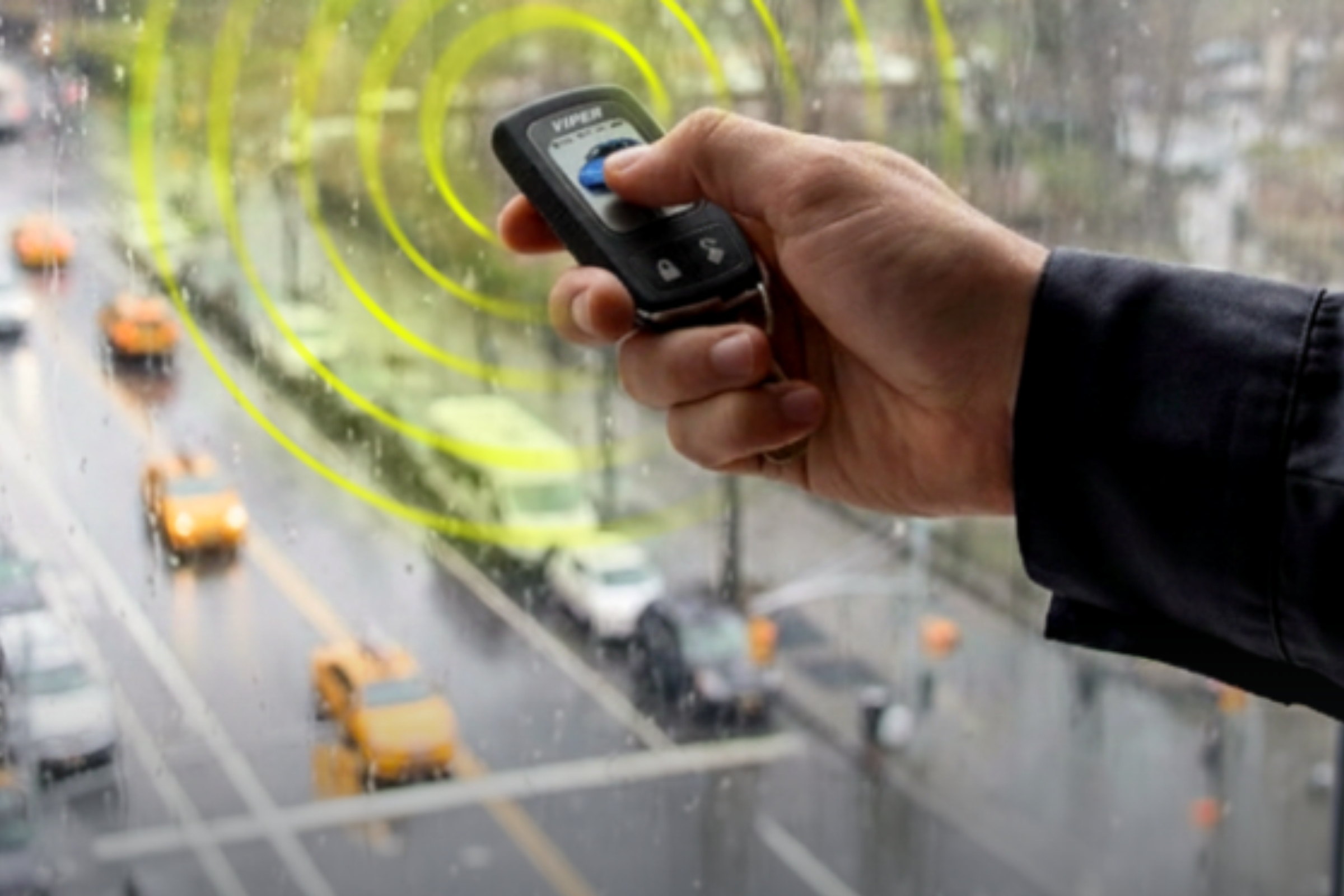
Range is one of the most over-promised numbers in remote start marketing, and one of the most situational in real use. A short-range fob is fine if you start the car from the driveway or across a small parking lot. A long-range RF system is the right choice if you start the car from inside an office building, a warehouse, or across a larger parking deck. A smartphone-based system gives you effectively unlimited range wherever your phone has cellular signal, which is the right answer for some owners and overkill for others.
What actually affects range is rarely the rated distance — it’s the building you’re standing inside, the terrain between you and the vehicle, the metal in the vehicle itself, and where the antenna sits in the install. We talk through your daily-use scenario before recommending a range tier, because a system that hits its rated number on an open field but fails through an office wall is not the system you want.
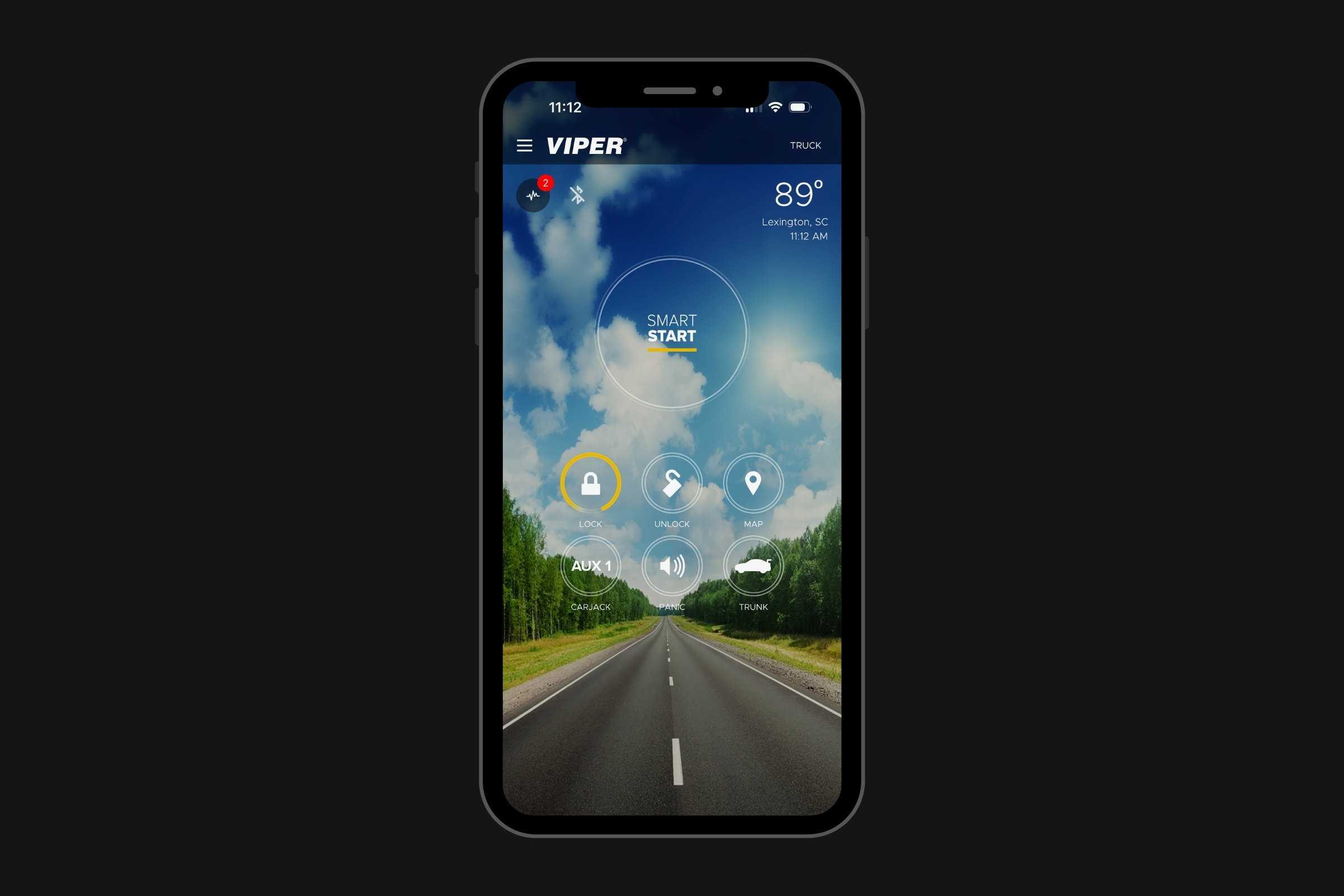
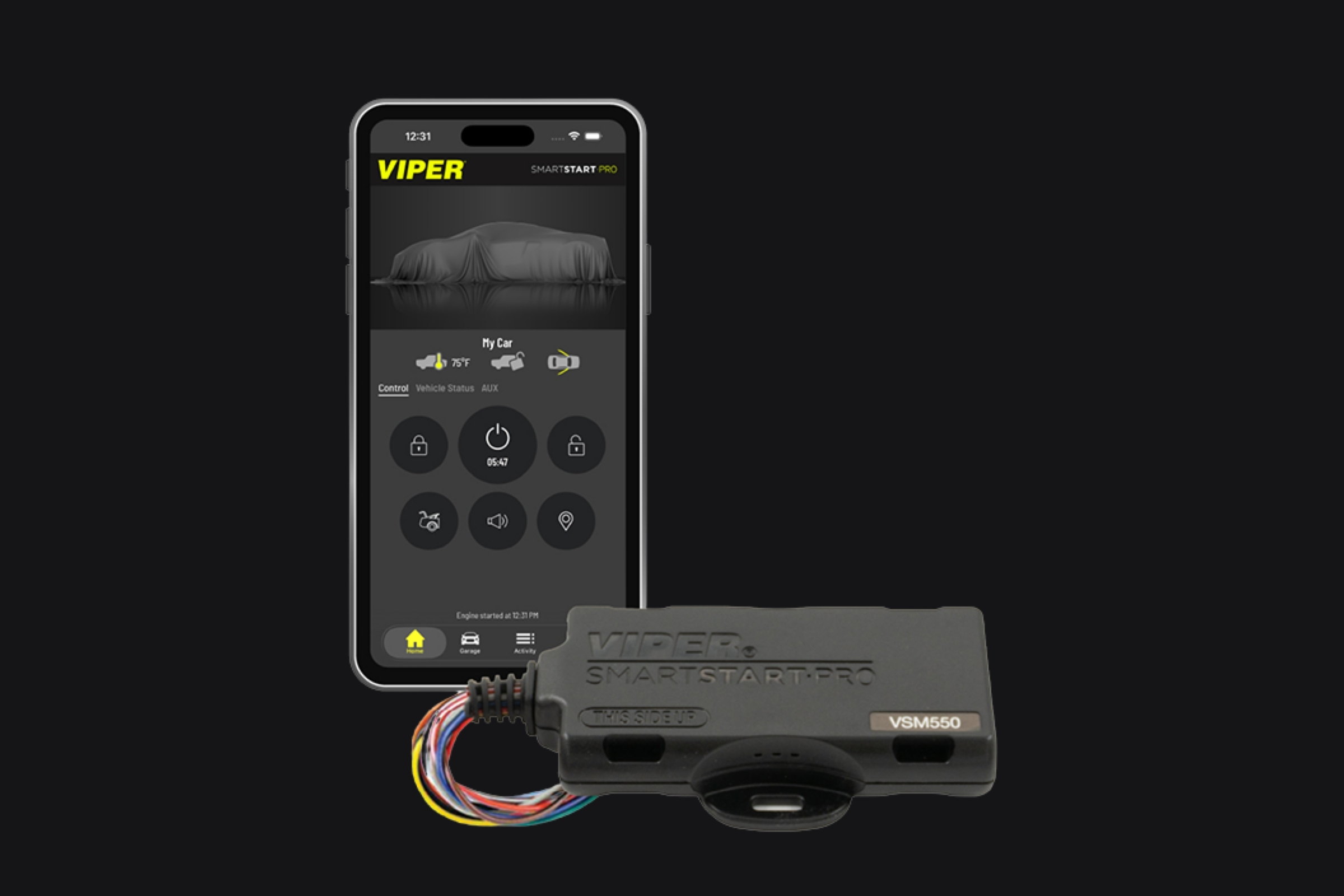
Smartphone-app remote start has matured into a genuinely useful tool. Platforms like Viper SmartStart let you start or stop the vehicle, check its current status, see where it is parked, and receive low-battery alerts — all from your phone, anywhere you have cellular service. For owners who travel between job sites, park in shared garages, or simply prefer one device for everything, the convenience is real.
The honest tradeoff is the monthly service subscription that keeps the cellular link active. We walk through whether the subscription makes sense for your routine, because an app you do not open is not worth paying for. When it does make sense, we install it cleanly, verify it works reliably on day one, and set it up so the interface behaves the way it should every time you tap it.
Modern vehicles are not all wired the same way, and remote start compatibility depends on the specifics — transmission type, ignition style, factory immobilizer, OBD-II interface generation, and how the factory radio and climate-control modules talk to one another. We evaluate per vehicle before scheduling, because giving you an honest answer up front is faster than discovering a complication on install day.
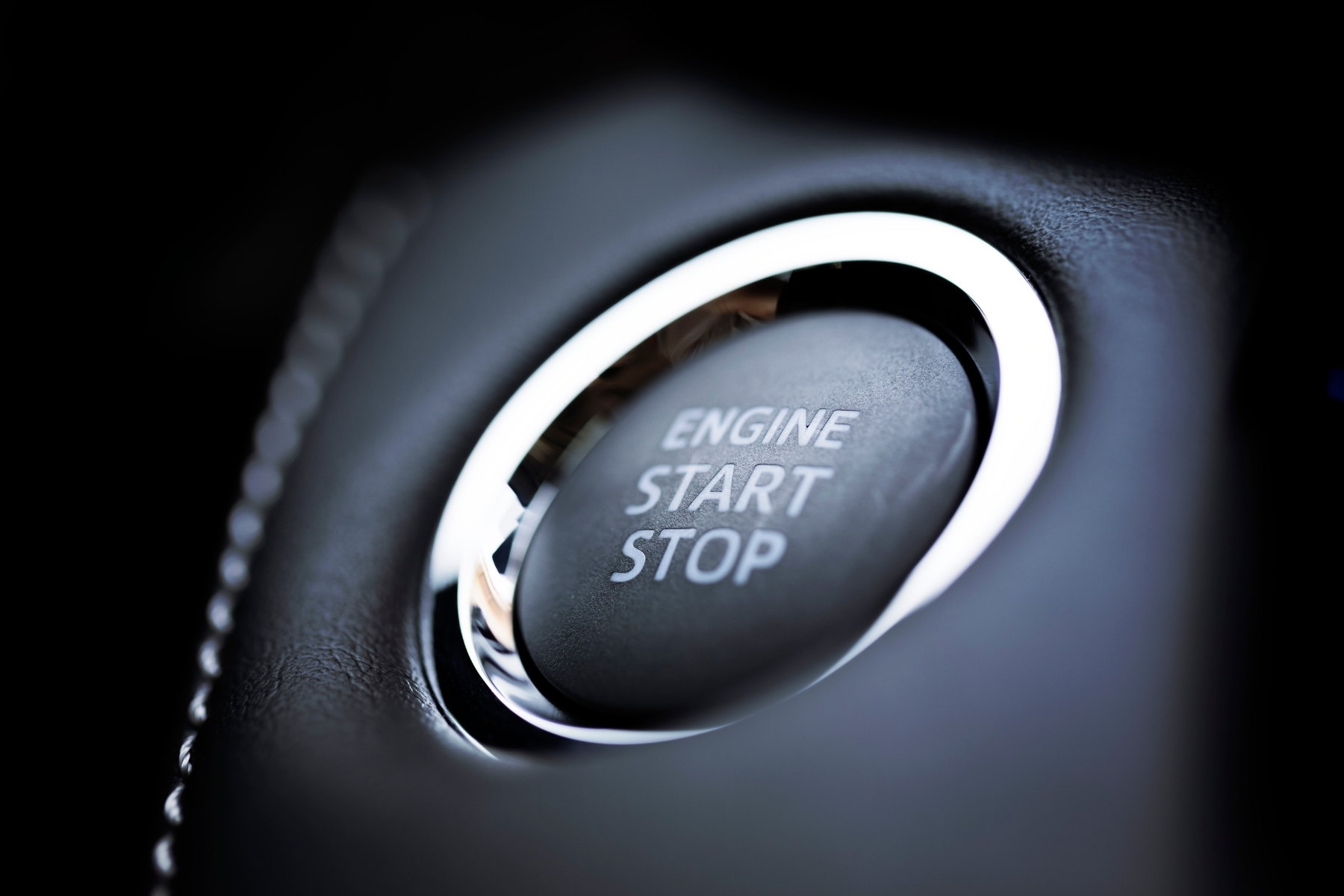
A few common variables: manual-transmission remote start requires additional steps to safely confirm the vehicle is in neutral before firing; push-button ignition vehicles need integration with the factory key-recognition system rather than a parallel bypass; modern CAN-bus vehicles need a module that understands the specific factory protocol so the dashboard does not throw warning lights after the install. If a head-unit upgrade is part of your plan as well — a common pairing because both touch the dashboard and the factory wiring at the same time — see our car stereo installation page for how we approach the head-unit side of a full-vehicle-upgrade package.
A good car alarm does two things: it detects something it should detect, and it ignores everything else. Modern alarm systems use a combination of shock sensors (impact on the body), glass-break sensors (frequency-tuned to glass), motion sensors (interior cabin movement), and door/trunk-entry triggers. Alerts can be an audible siren, a beep back to your fob, or a notification straight to your phone on two-way and smartphone-integrated systems.
The difference between an alarm that is useful and an alarm that everyone ignores is calibration. A sensor set too sensitive triggers on a passing truck, on wind, on a heavy rain. We tune the sensitivity to your vehicle and your parking situation so the system flags real events without crying wolf — and we install components from manufacturers whose hardware ages well, because an alarm that stops working after eighteen months is not protecting anything.
Plenty of older vehicles never came with keyless entry, and plenty of newer vehicles have keyless functions the owner would like to extend — adding remote-unlock range, integrating a second proximity fob for a family member, or pairing entry control with a smartphone app. The right install makes the result feel native: the door unlocks the way the manufacturer would have done it, the dome light comes on, the alarm disarms cleanly, and nothing about the experience reads as aftermarket.
That outcome depends on factory-correct integration — using the vehicle’s existing door-lock actuators, the existing body-control module, and the existing power and ground paths rather than running parallel circuits that fight the factory system. We install keyless-entry hardware that works with your vehicle’s wiring, not against it, so the upgrade is invisible until you reach for the door.
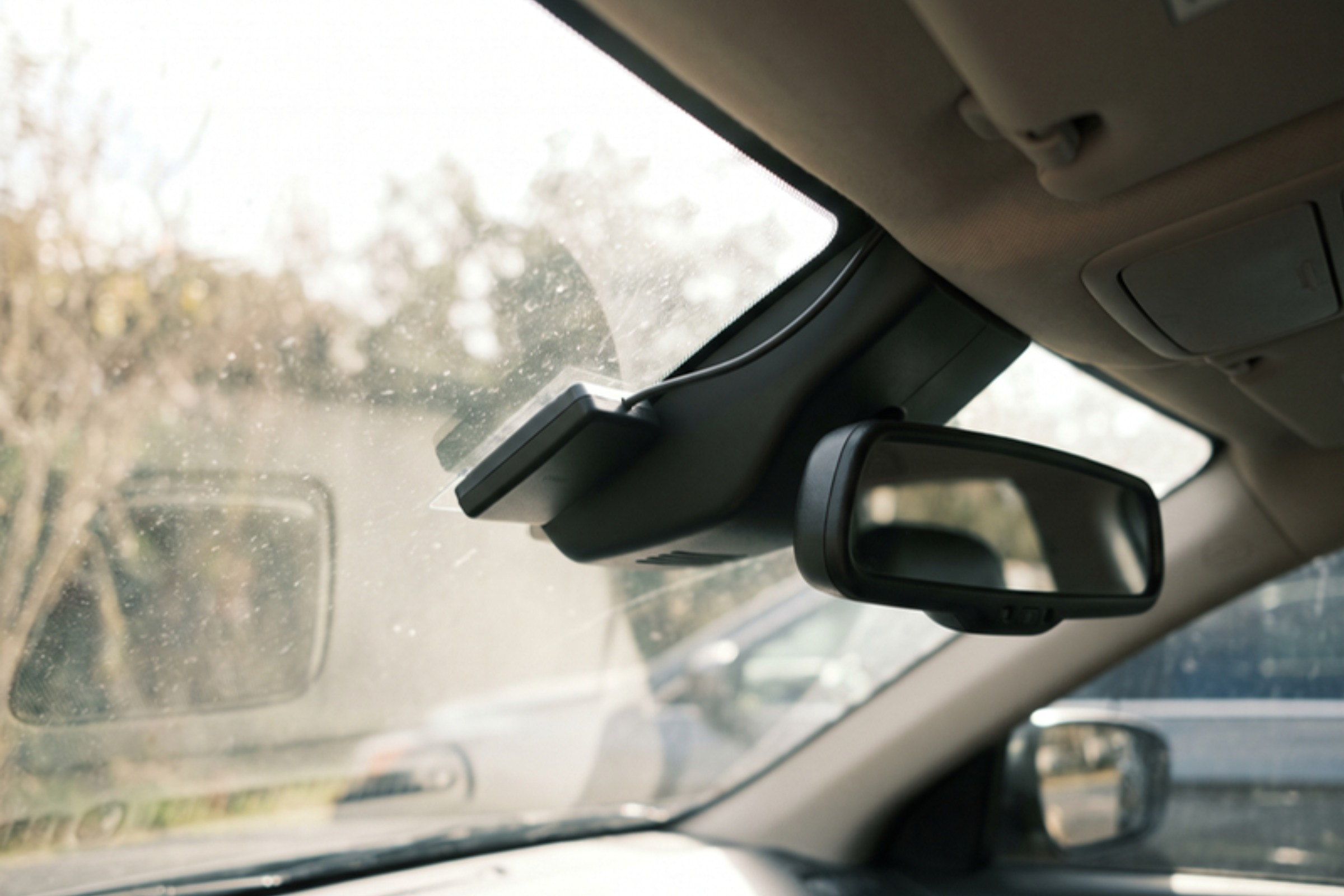
GPS tracking on our install bench means one thing: vehicle recovery after a theft. If the worst happens, the device gives you and law enforcement a current location to work from. It is not a surveillance tool, it is not a family-locator, and it is not a fleet-management dashboard — it is an anti-theft recovery layer that sits silently in the vehicle until it is needed.
Starter and fuel immobilizers approach the same problem from the prevention side. A correctly installed immobilizer breaks the start circuit or the fuel-pump circuit when the system is armed, so the vehicle simply cannot be driven away by someone without the proper disarm sequence. Both layers are most effective when nobody can see them — the device is mounted out of sight, the install leaves no aftermarket-looking evidence, and the existence of the system is not advertised on a window sticker. Quiet protection is the entire point.
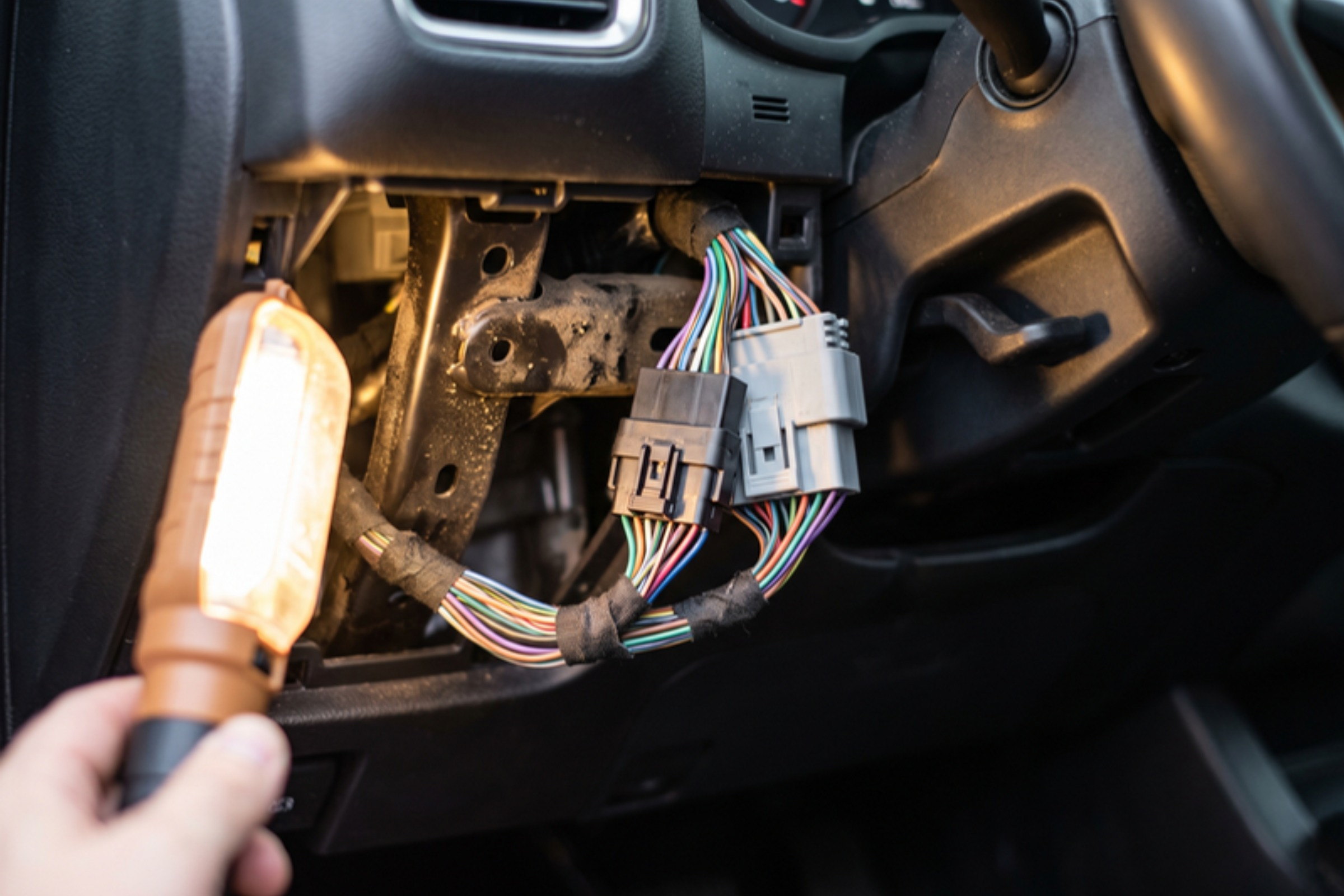
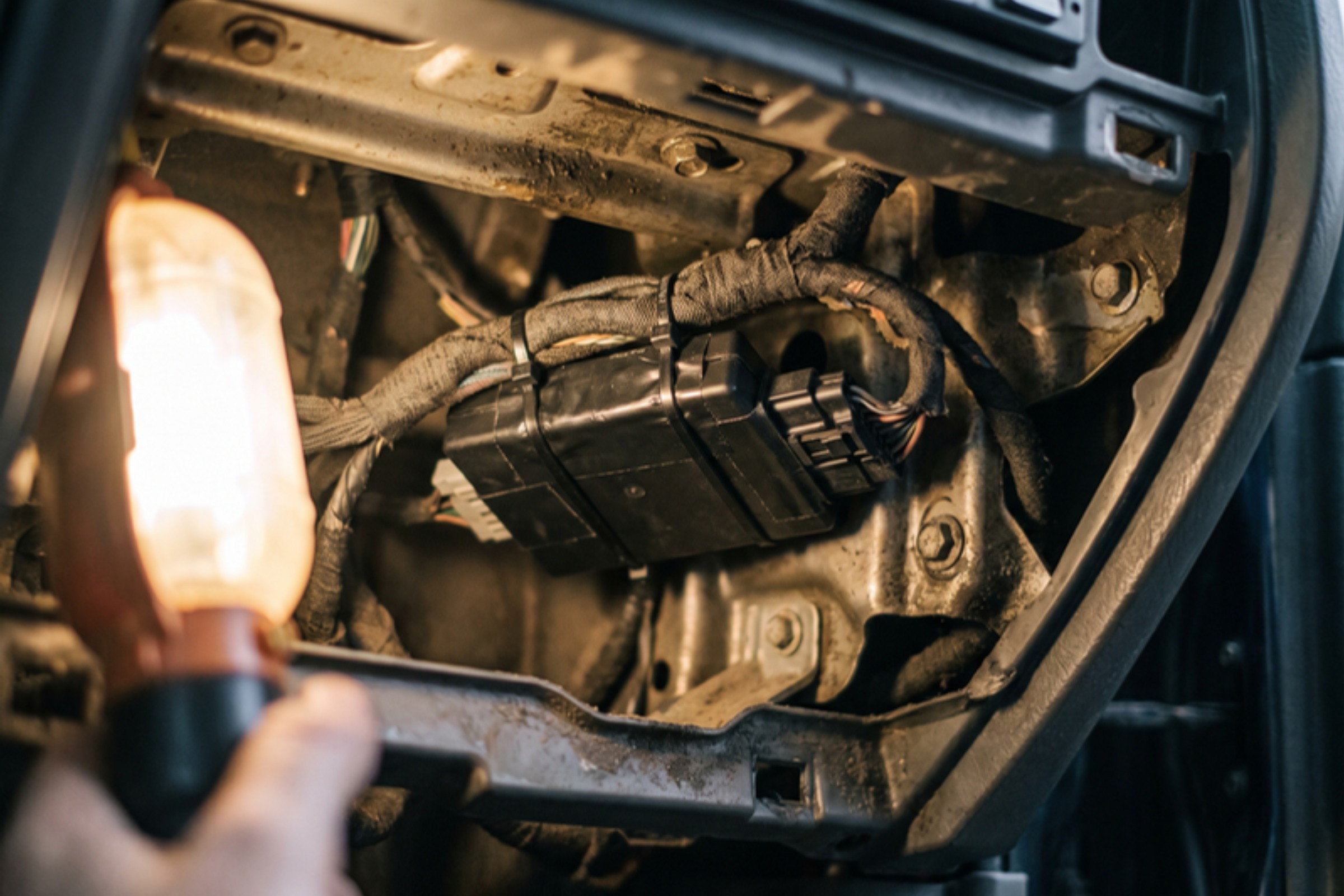
A clean remote start or security install talks to the vehicle’s CAN-bus, factory immobilizer, and factory wiring harnesses on the vehicle’s own terms. The result is invisible: no warning lights on the dashboard after the install, no parasitic battery draw that leaves the car dead after a long weekend, no aftermarket-looking splices in the harness, and no surprise complications when the vehicle goes back to a factory service department. This is also why we treat factory-display integration as a single discipline across overlapping installs — for the camera, parking-sensor, and blind-spot side of a full-vehicle-upgrade package, see our backup camera and vehicle safety page for how those systems integrate alongside remote start and security work.
A remote start that fires reliably on a 70-degree morning and hesitates at 15 degrees is functionally useless during the season you bought it for. Cold-weather reliability comes from the right system tier for your vehicle, the right module placement (away from temperature extremes that punish electronics), and the right battery-and-charging-system health going into winter. We verify the system fires reliably under the conditions you will actually use it in — not just under ideal bench conditions — because real-world reliability is the whole point of the upgrade.
The range a system hits in a manufacturer test is rarely the range you experience in your daily routine. Antenna placement inside the vehicle, the materials between you and the antenna, the height and orientation of where the receiver sits — all of it affects effective range more than the spec sheet suggests. We install with antenna placement and signal path in mind, choose the system tier that matches your actual use scenario, and verify the install hits useful range from the places you start the car most often.
Remote start modules, alarm sensors, sirens, immobilizer hardware, and key fobs all live in environments that punish electronics — heat behind the dashboard, vibration from the road, moisture intrusion at door and trunk seals. Hardware we install is chosen because it has aged well in vehicles we have worked on for years, not because it photographed well on a manufacturer brochure. Connectors are sealed, mounting locations are protected from the worst environmental exposure, and wiring is routed cleanly so the system that works on day one is still working on day one thousand. If a component eventually does need service, the install discipline makes diagnosis straightforward rather than a teardown.
The brands we install — and the way we install them — matter more than any single badge on the wall.
The systems we fit and the work behind them — two-way remotes, smartphone control, push-button start, and the under-dash and under-hood wiring that makes all of it behave the way the factory would have.
Yes — that is what most owners install it for. Operational reliability in cold weather depends on the right system tier for your vehicle, a healthy battery and charging system going into winter, and a clean install that places the module away from temperature extremes. Two-way confirmation systems are worth considering specifically because they tell you the vehicle actually fired before you walk out the door. We verify reliable operation under conditions you’ll actually use it in, not just on ideal bench conditions.
Almost always — but we evaluate per vehicle before scheduling because the install details depend on your specific year, make, model, transmission, and ignition style. Manual-transmission vehicles need additional steps to safely confirm neutral before firing. Push-button start vehicles integrate with the factory key-recognition system rather than running a parallel bypass. Modern CAN-bus vehicles need a module that understands the specific factory protocol so the dashboard does not throw warning lights. If you are pairing remote start with a head-unit upgrade as part of a full-vehicle-upgrade package, we coordinate both installs so the dashboard work happens once.
Yes. Platforms like Viper SmartStart let you start, stop, status-check, and locate the vehicle from your phone anywhere you have cellular service. The tradeoff is a monthly service subscription that keeps the cellular link active. For owners who travel between job sites, park in shared garages, or simply prefer one device for everything, the subscription pays for itself in convenience. For owners whose vehicle never leaves the driveway and the office parking lot, a long-range fob is often the better choice. We walk through both before recommending.
A clean install that uses the factory CAN-bus, factory immobilizer, and factory wiring harnesses on the vehicle’s terms does not give a dealer grounds to deny warranty service. The risk comes from amateur installs that splice into the wrong circuits, create parasitic draws, or trigger dashboard warning lights — those are the installs dealers point at when they refuse coverage. We install with factory-electronics integration as the baseline standard for exactly that reason.
Honestly: alarms are a deterrent layer, not an absolute prevention. A well-installed alarm system makes your vehicle a slower, louder, riskier target than the vehicle next to it — which in practice is often enough to move the problem along. Pair an alarm with an immobilizer that breaks the start or fuel circuit, and the deterrent becomes a prevention layer because the vehicle physically cannot be driven away. Pair both with GPS for anti-theft recovery, and you have a realistic three-layer approach. We will tell you what each layer does and does not accomplish so you can decide which layers you want.
We stand behind the work we do. Specific warranty terms vary by system and component, so we walk through what is covered and for how long at consultation rather than posting fine print that may not match your specific install. The short version: if something we installed is not working the way it should, we want to know about it.
Request a consultation online or give us a call. We’ll walk through your vehicle, your use case, and the system tier that actually fits — not the most expensive option on the shelf.